
Marine invasive species at the heart of the Balearic Marine Biodiversity Conference debate
Published 29.10.2026
Share
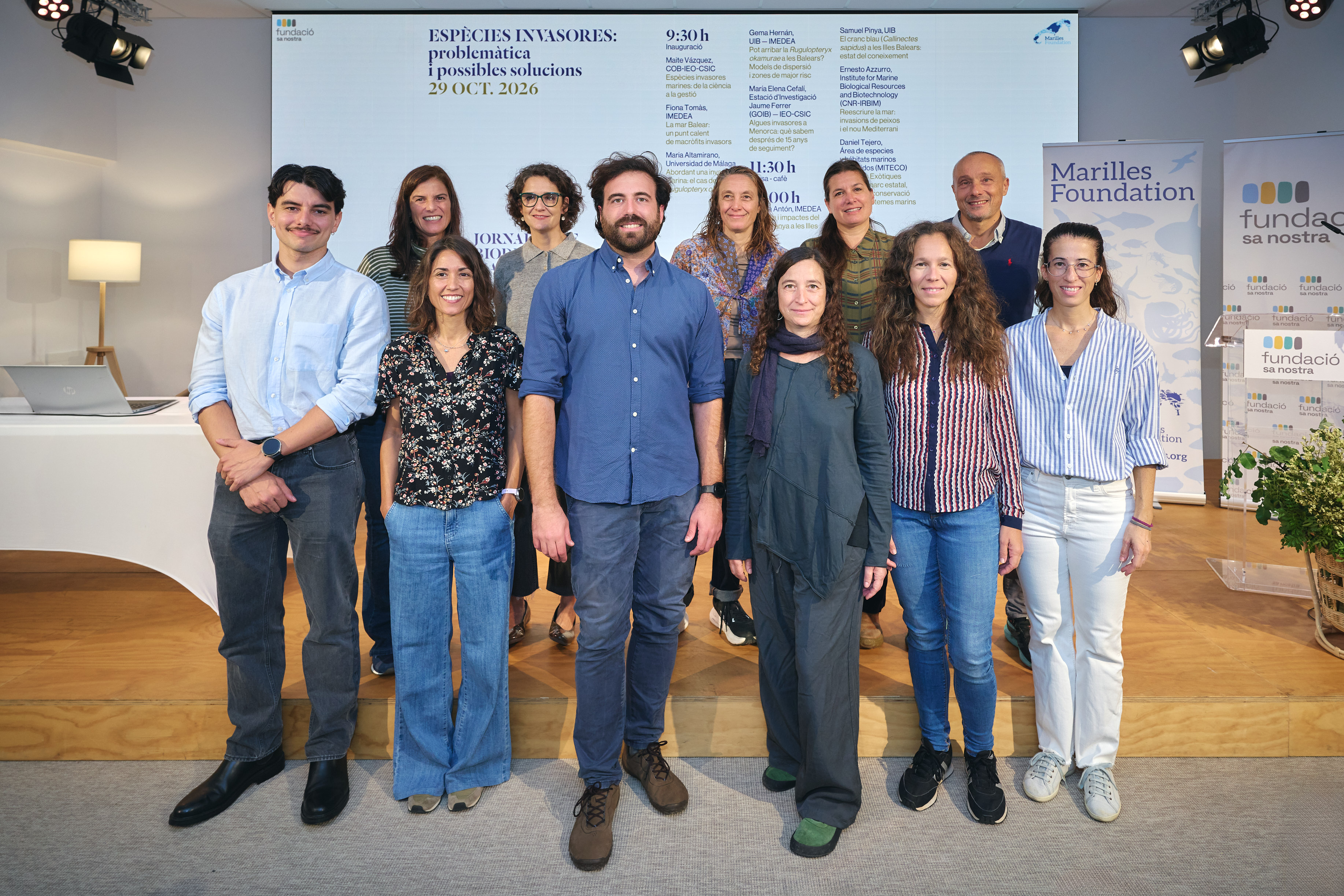
Marine biology experts, scientific institutions, and various organisations took part in the second session of the 3rd Balearic Marine Biodiversity Conservation Conference held at Can Tàpera in Palma. Nine experts and researchers shared projects and initiatives currently underway to investigate invasive species entering Balearic waters. During the conference, they established common criteria to address the challenges posed by the arrival of these species in the Mediterranean and the Balearic Islands, as well as possible solutions.
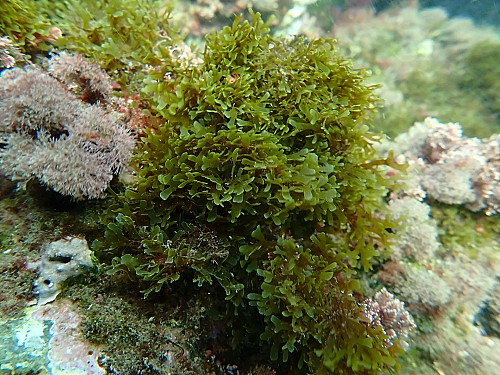
The first meeting of specialists was opened by Raquel Vaquer, coordinator of the Balearic Sea Report (IMB). Maite Vázquez, a researcher at the Balearic Oceanographic Centre, then spoke about the science and management of marine invasive species. Fiona Tomàs, a researcher at IMEDEA, explained why Balearic waters are a hotspot for invasive algae and plants. Scientists Maria Altamirano, from the University of Málaga, and Gema Hernán, from IMEDEA, focused their presentations on the Asian alga Rugulopteryx okamurae. María Elena Cefalí, a biologist at the Jaume Ferrer Research Station, outlined current knowledge of invasive algae in Menorca.
Following an initial session focused on algae, the experts shared their knowledge of other invasive species. Andrea Antón, a scientist at IMEDEA, discussed the impact of the spider crab in the Balearic Islands. Samuel Pinya, a researcher at the University of the Balearic Islands (UIB), explained the current state of knowledge about the blue crab in the archipelago. Ernesto Azzurro, a biologist at the Institute for Marine Biological Resources and Biotechnology, presented findings on the invasion of new fish species in the Mediterranean. In the final presentation of the day, Daniel Tejero, from the Spanish Ministry for the Ecological Transition and the Demographic Challenge (MITECO), outlined the national regulatory framework governing marine non-native species.
The morning concluded with a discussion among participants. The conference continued in the afternoon with a closed-door meeting during which the experts drafted a document setting out the conclusions of the meeting and management proposals to be submitted to the relevant authorities.
The conference continues for one more day. Sustainable fisheries will be the focus on 5 November. The Marine Biodiversity Conference is organised by Marilles Foundation and the Sa Nostra Foundation. Its main aim is to develop proposals to improve the conservation status of the Balearic Sea and coastline by providing a space to share knowledge and discuss best practices for monitoring and conserving marine biodiversity, both in the Balearic Islands and in other Mediterranean regions.


