The Alliance for Restoration calls for a more ambitious National Restoration Plan
Published 01.10.2026
Share
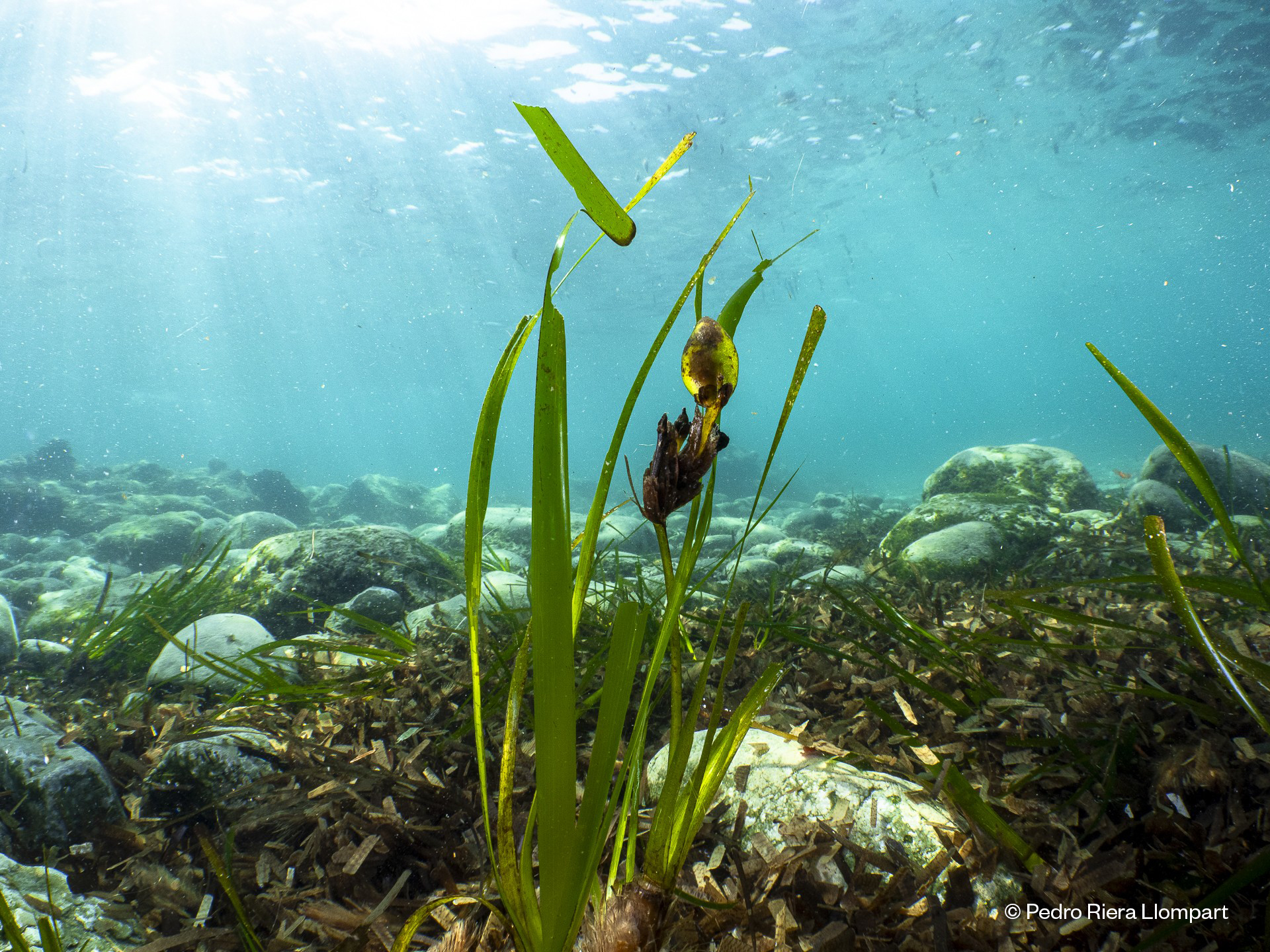
Caption: Pedro Riera Llompart. Loaned for conservation purposes courtesy of MARE.
In a year marked by extreme heat and major wildfires, the Alliance is calling for the plan to be strengthened so that it effectively achieves the objectives of the European Nature Restoration Regulation: to restore degraded ecosystems, halt the loss of biodiversity, and reduce the vulnerability of the land and the marine environment to climate change and extreme weather events.
Following the presentation by the Ministry for Ecological Transition and the Demographic Challenge (MITECO) of the first draft of the National Restoration Plan (PNR) to the European Commission, the Alliance for Nature Restoration is calling on the government and the autonomous communities to maintain the momentum and use the coming months to incorporate improvements that will enable the plan to realise its objectives. Spain needs this plan to move from paper to the land and sea and translate into healthier ecosystems that are more resilient to increasingly frequent extreme weather events.
The urgency is becoming increasingly evident: Spain is facing a trend of hotter and longer summers, with more intense and frequent heatwaves and growing irregularity in rainfall, which exacerbates periods of drought and stress on ecosystems.
So far this year, forest fires have affected more than 275,000 hectares of woodland – 153% above the 2016–25 average; 45 major forest fires have been recorded. The marine environment has also experienced exceptional conditions. During the summer, Copernicus recorded marine heatwaves in the western Mediterranean and record surface temperatures for August across large areas of European seas.
For the Alliance, these episodes highlight the urgency of restoring nature to reduce the territory’s vulnerability to these extreme events.
Despite its clear shortcomings, the presentation of the first draft of the PNR was an important step, but the decisive phase begins now. The document submitted to the European Commission is provisional; there is still almost a year left to finalise the plan. Spain now has the opportunity to draw up a roadmap to address these vulnerabilities.
Next year will be crucial in ensuring that the PNR becomes an effective tool, with clear priorities, sufficient resources, and measurable results, which comply at the very least with the objectives of the European regulation. Restoration must cease to be merely a collection of projects and instead become a policy capable of truly transforming and restoring our ecosystems. Now that a specific draft of the PNR exists, it is essential that the next phases allow for genuine participation in shaping its content, so that public authorities, the scientific community, organisations, and other sectors of society can analyse the priorities, measures, and selected areas; propose alternatives; and contribute to improving the plan before its final approval.
The Alliance also calls for the inclusion of a preliminary assessment of the causes of degradation hindering the recovery of each ecosystem, and for a clearer explanation of how the areas and action targets included in the draft have been defined. By 2030, the PNR plans to take action across 9,475 km² of terrestrial, coastal, and freshwater habitats, 288 km² of marine habitats, 3,241 km² of forest ecosystems, and 1,982 km² of agricultural ecosystems, and to restore 65 km of free-flowing rivers, as well as to take action on floodplains, urban ecosystems, and pollinators and species’ habitats. For the Alliance, the review must clarify which ecological, territorial, and prioritisation criteria underpin these figures and how they will translate on the ground and in marine areas, avoiding a mere sum of areas and scattered actions. The plan must follow a strategic approach, with territorial coherence and connectivity between actions, and ensure that quantitative targets translate into real, verifiable, and lasting ecological improvements both on land and in the marine environment.
“Restoration requires ecological and territorial prioritisation and cannot depend on isolated actions by a single government department. It requires continuity and shared objectives”, state the organisations forming part of the Alliance. For this reason, they call for strengthened cooperation and coordination between MITECO; the Ministry of Agriculture, Fisheries and Food (MAPA); the autonomous communities, the river basin authorities, and other relevant bodies. In the marine environment, where the central government and MITECO exercise particularly significant and direct powers, the Alliance calls for a much greater effort to raise the plan’s ambition and set out sufficient measures to achieve the restoration targets.
Financial resources will also be required to implement the plan on land and at sea. The current draft estimates average annual funding requirements of around €596 millionuntil 2050. The Alliance believes this estimate must be transformed into a stable and adequate public financial strategy, capable of guaranteeing not only the implementation of the actions but also their maintenance and monitoring, in line with Target 19d of the Kunming-Montreal Global Biodiversity Framework. The success of the plan cannot be measured solely by the number of hectares or square kilometres where action has been taken; monitoring must verify whether biodiversity is increasing, whether the structure and functionality of ecosystems are improving, whether connectivity is being restored, whether the pressures that caused their loss and degradation are decreasing, and whether the territory’s resilience to extreme events and climate change is increasing.
For the Alliance, the coming months will be decisive in turning the draft into a genuine restoration roadmap. To this end, the member organisations are calling for greater ambition and a stronger scientific basis, improved governance and the prevention of further degradation, whilst also ensuring sufficient resources and directing actions towards measurable and lasting ecological outcomes.