The Alliance for Nature Restoration launches in Spain to place ecological recovery at the heart of the public agenda
Published 02.03.2026
Share
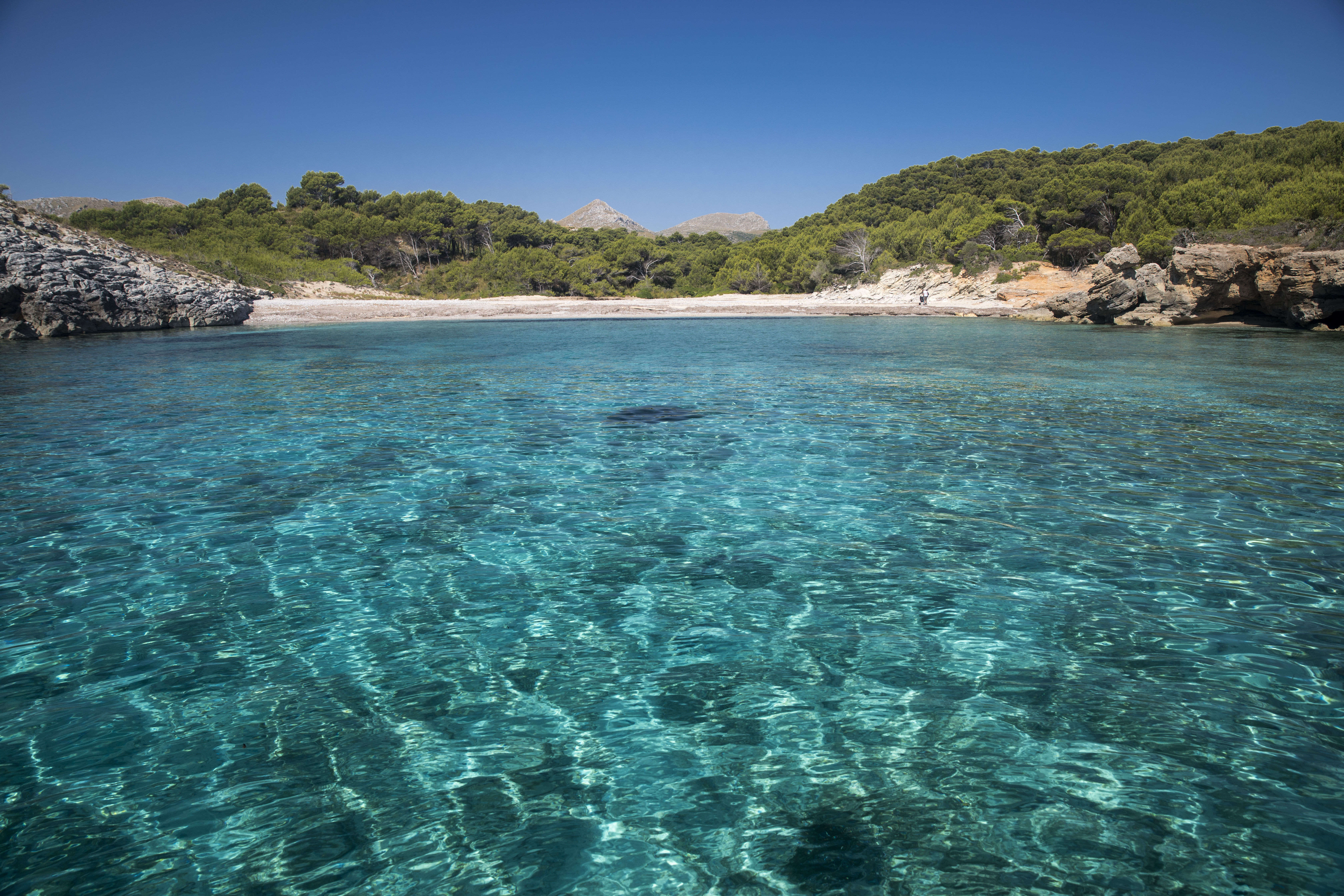
Photo: Toni Menor.
-
31 social and environmental organisations are promoting a national alliance to strengthen nature restoration as a structural response to the ecological and climate crisis and to advocate for an ambitious National Restoration Plan.
-
The European Nature Restoration Regulation requires at least 20% of degraded ecosystems to be restored by 2030; Spain must approve its National Restoration Plan before August 2026.
-
The new alliance has a ten-point manifesto setting out the priorities to turn restoration into a structural state policy.
On World Wildlife Day, 31 social and environmental organisations presented the Alliance for Nature Restoration at a decisive moment to address the climate, pollution, and biodiversity loss crises. This coalition has an ambitious objective: to place ecological restoration at the centre of public policy in Spain. Today, it presents a ten-point manifesto outlining its main proposals to achieve this goal and to ensure their implementation within the National Restoration Plan.
The launch of this new Alliance for Nature Restoration takes place in a key national and European context. The European Nature Restoration Regulation, adopted in 2024, requires EU member states to restore at least 20% of terrestrial and marine areas by 2030, as well as to make progress towards the recovery of all degraded ecosystems by 2050. At the national level in Spain, according to data submitted by the Ministry for Ecological Transition (MITECO), only 9% of habitats are currently in good condition. In accordance with this regulation, Spain must approve its National Restoration Plan before the end of August 2026.
For the new alliance, this timetable makes the coming months strategically crucial. The founding organisations argue that restoration cannot be limited to isolated projects or compensatory measures, but must instead be addressed as a structural and cross-cutting policy. It is not about greenwashing degradation or justifying new impacts, but about restoring the ecological functions and processes of damaged ecosystems and removing the pressures that are degrading them.
The coalition stresses that restoration means tackling the root causes of the ecological crisis. This entails rigorously applying the principle of non-deterioration, protecting areas that remain in good condition, and preventing the “restoration” label from being used to legitimise actions incompatible with conservation objectives.
In a context marked by extreme weather events, food insecurity, freshwater scarcity, and the spread of disease, the alliance notes that healthy ecosystems are essential for health, security, the economy, and overall wellbeing. The challenge, therefore, is not only technical but also political and cultural.
The alliance also highlights the potential of restoration as a driver of quality green employment and rural revitalisation. In this regard, it calls for analysing the social and labour impacts resulting from environmental degradation and ensuring just transition processes that provide genuine alternatives for workers linked to activities with negative impacts on ecosystems.
Among its immediate priorities, the alliance aims to:
- Promote an ambitious National Restoration Plan consistent with EU Regulation 2024/1991, based on the best available scientific evidence and the effective elimination of harmful impacts.
- Integrate restoration into sectoral policies and into land-use and marine planning, connecting national frameworks with local realities.
- Foster a culture of ecological restoration through awareness-raising, environmental education, and the generation of shared knowledge.
- Remove subsidies that incentivise environmental degradation and redirect public resources towards activities compatible with ecological recovery objectives.
- Guarantee the principle of non-deterioration as an essential condition to ensure lasting improvements in ecosystems.
In the coming months, the alliance will focus its efforts on influencing the drafting of the National Restoration Plan and on developing concrete proposals that can be translated into real action on the ground.
With its launch in Spain, the founding organisations seek to consolidate a culture of ecological restoration grounded in intergenerational responsibility and in the conviction that restoring nature is an indispensable condition for present and future wellbeing.
The European organisations BirdLife Europe & Central Asia, the European Environmental Bureau (EEB), and WWF form the European Restore Nature alliance, which has spent five years working alongside other organisations such as Oceana and Friends of the Earth to ensure that the Nature Restoration Regulation guarantees biodiversity conservation. The alliance is driven by the requirement for each EU member state to submit its national plan. It brings together additional Spanish organisations so that the draft plan reflects the widest possible range of voices and contributions and matches the necessary level of ambition.
Marilles in the media
- 07/07/2026 IB3 TV: "Marilles publica la primera guia per impulsar una restauració ecològica rigorosa a la mar Balear"
- 02/03/2026 Climática: "Una treintena de organizaciones crean un frente común para recuperar los ecosistemas y la naturaleza"
- 21/02/2026 Foravila: "Aniol Esteban: “La protecció estricta no és un càstig per al sector pesquer: és una inversió per tenir més peix en el futur”"