In medicine, there is a fundamental principle that places the patient's wellbeing at the centre of care: primum non nocere – first, do no harm. Imagine you are ill because you smoke heavily and your doctor prescribes medication while telling you to carry on smoking as usual. You would probably look for a different doctor! The first step towards recovery is to remove the cause of the problem; only then does the rest of the treatment stand a chance of succeeding.
Nature restoration is no different: before attempting to restore a degraded ecosystem, we must first stop the pressures that caused its decline.
Today, restoring marine and terrestrial ecosystems is an urgent priority. The European Nature Restoration Regulation, adopted in 2024, sets the goal of restoring at least 20% of degraded ecosystems by 2030 and all ecosystems in need of restoration by 2050. It also requires member states to submit their national restoration plans by 1 September 2026.
Restoration is a necessity. According to data from the Spanish government, only 9% of the country's most valuable habitats are currently in good conservation status.
Against this backdrop, it is easy to foresee that funding for restoration projects will increase over the coming years. Alongside this investment, however, comes the risk of expensive initiatives that deliver limited ecological benefits.
Time is short, and many important questions remain.
- What makes a restoration project effective?
- Does it make sense to restore a habitat if the pressures that degraded it are still in place?
Or, to put it another way:
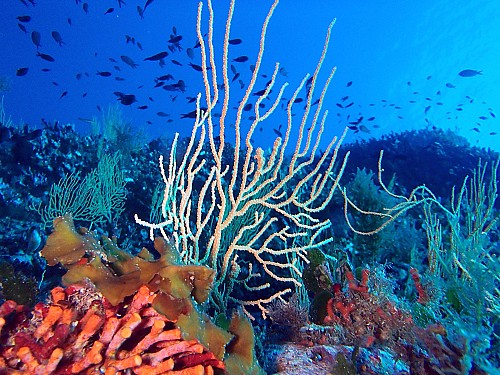
- Which is more effective: reintroducing corals or protecting the ones that already exist?
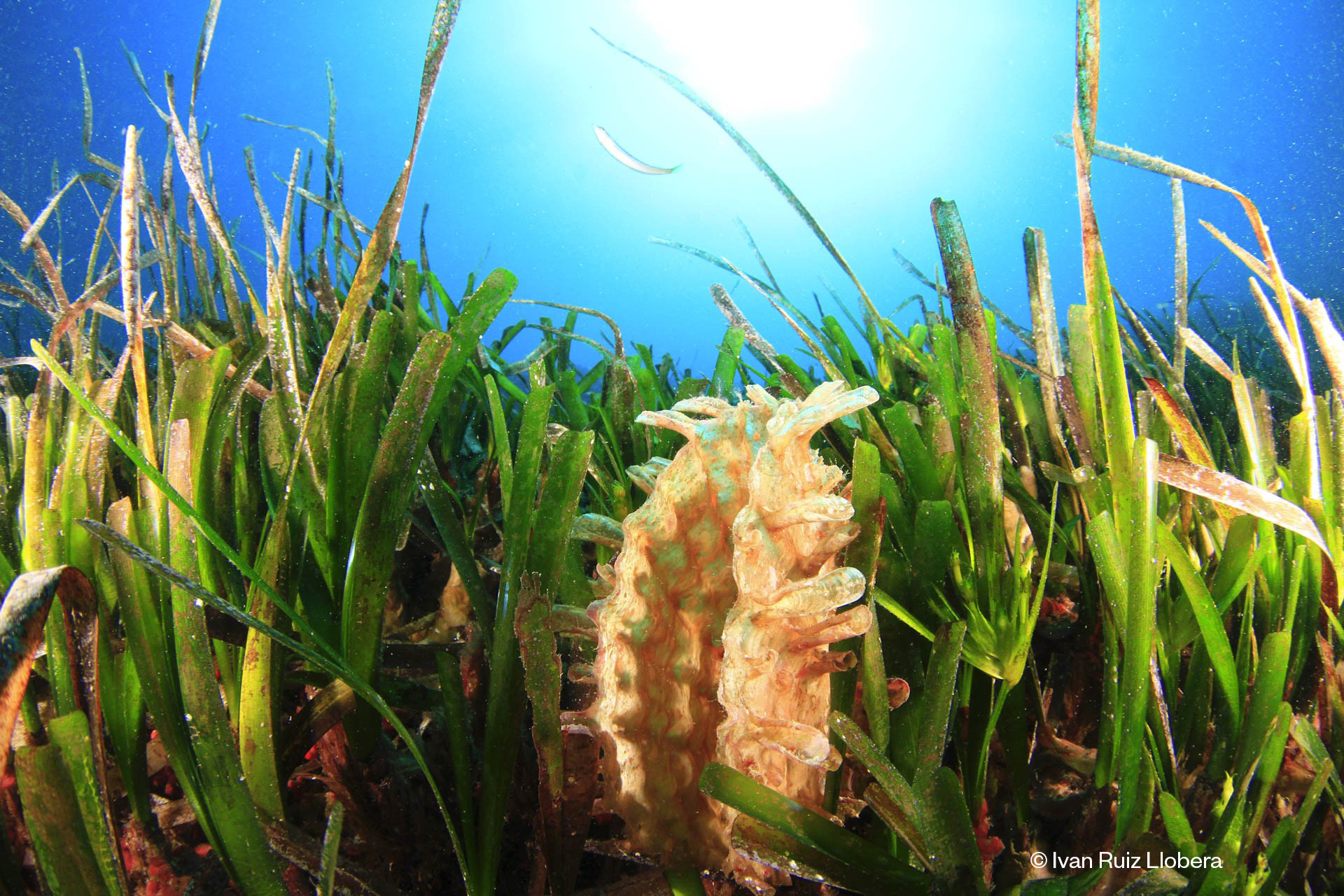
- Should we plant Posidonia oceanica shoots in an area where the risk of illegal anchoring remains unchanged?
The first Guide to Ecological Restoration in the Balearic Sea, prepared by our colleagues Nuria Salmerón, Margalida Monserrat, and Tatí Benjumea helps answer these questions. The report brings together the available scientific evidence, examines the different approaches to ecological restoration, and reaches two essential conclusions:
- Just as in medicine, successful restoration depends on addressing the pressures that caused ecosystem degradation in the first place.
- Even so, the best form of restoration is protection.
Building the answers
At Marilles, this is not new territory. We have spent years supporting science-based restoration focused on key marine areas.
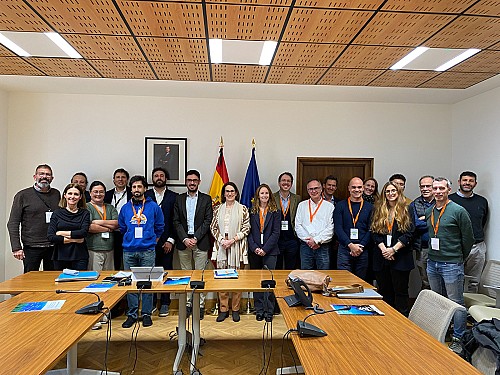
Nor are we alone. More than 30 organisations are part of the Restoration Alliance, which is working to make ecosystem restoration a long-term structural public policy in Spain.
Restoring the sea is about much more than a photograph and a headline. It is about bringing back part of the life that once thrived in our marine environment.