Conservation organisations and scientists call for the protection of shallow marine areas, essential for biodiversity in the Balearic Islands
Published 01.07.2026
Share
// Several organisations and experts submit their proposals for the future Action Plan for the Conservation of Shallow Marine Areas of the Balearic Islands.
// They call on the government to develop a plan with clear objectives, scientific monitoring, public participation, and guaranteed funding to preserve some of the Mediterranean’s most valuable and vulnerable ecosystems.
The conservation organisations Marilles Foundation, GOB Mallorca, Fundació CleanWave, and Arrels Marines, together with marine ecology specialists Gema Hernán, Jorge Terrados, and Fiona Tomas, have jointly submitted their contributions to the prior consultation process for the future Action Plan for the Conservation of Shallow Marine Areas promoted by the government of the Balearic Islands.
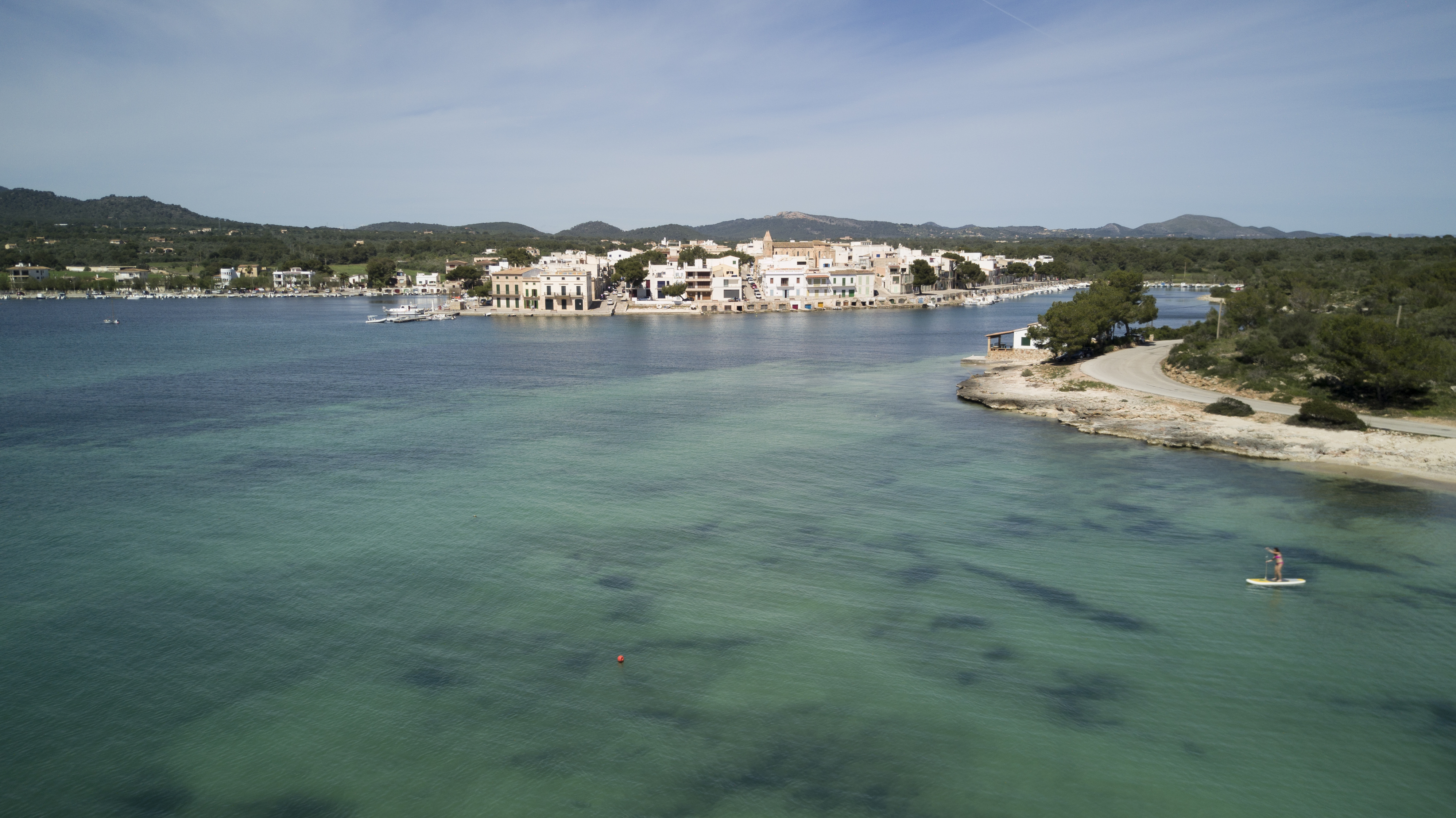
The proposal, jointly prepared by the organisations and experts and supported by other groups such as Salvem Sa Badia de Portmany, Alamar and scientist Emma Cebrian, sets out a roadmap until 2040 with concrete measures to improve knowledge, management, and restoration of these coastal ecosystems. Shallow bays are considered biodiversity hotspots; they are essential for the reproduction and growth of numerous marine species, many are important to fisheries.
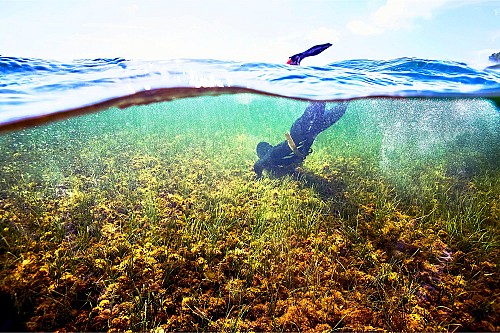
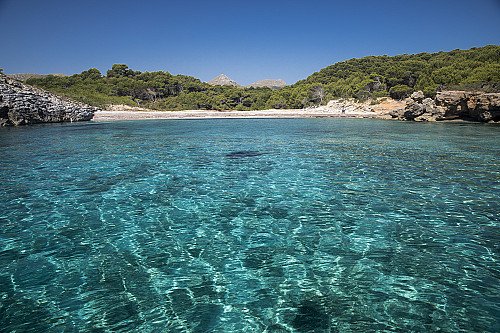
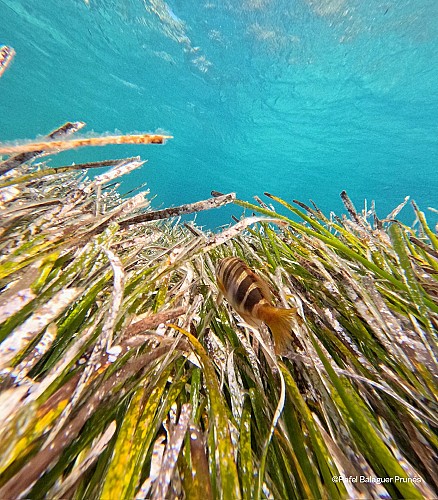
Shallow marine areas are areas of low-depth waters that host valuable habitats such as seagrass meadows of Posidonia, Cymodocea nodosa meadows, seaweed forests, and barrier reefs. However, they are under significant pressure from human activities. The main threats include pollution, habitat destruction, anchoring, navigation, changes in water quality, and the impacts of climate change.
Although many of these areas already benefit from some form of protection, the promoters of the proposal consider that a specific, coordinated strategy based on scientific knowledge is still needed to ensure their long-term conservation.
Eight lines of action
The document presented proposes structuring the future Action Plan around eight main areas of action:
- Scientific coordination and governance.
- Development of a baseline study of all shallow marine areas.
- Continuous scientific monitoring of habitats, species, and pressures.
- Systematic monitoring of water quality.
- Active participation of the sectors involved.
- Reduction of the main pressures affecting these ecosystems.
- Ecological restoration actions when required.
- A stable funding commitment to implement the Action Plan until at least 2040.
Among the key measures proposed are the creation of an expert group and a coordinated scientific monitoring network, the development of an open data platform, the establishment of ecological thresholds that trigger management measures, improvements to sanitation infrastructure, and the regulation of nautical and fishing activities.
The proposal also calls for active restoration of degraded habitats (through seeding or species reintroduction) to be carried out only when necessary and once the pressures affecting these habitats have been removed.
The proposal further argues that the Action Plan must guarantee sufficient and stable funding for implementation; it should secure at least 50% of the required resources before 2030 and consolidate an economic strategy through to 2040.
Based on scientific knowledge
The document is based on the conclusions of the 1st Conference on Marine Biodiversity Conservation, held in Palma on 7 November 2024, which brought together scientists specialising in marine conservation from leading research centres.
One of the sessions was dedicated to the conservation of bays and shallow marine areas in the Balearic Islands. This provided an opportunity to share knowledge accumulated over years regarding the functioning and conservation status of these habitats, which are essential for biodiversity.
The signatories consider that the future Action Plan represents an opportunity to provide the Balearic Islands with a pioneering marine conservation strategy based on the best available scientific evidence and on collaboration between public administrations, the scientific community, social organisations, and sectors linked to the sea.
Marilles in the media
- 06/07/2026 Foravila: "Raquel Vaquer: “El valor de conservar les zones marines somes de les Balears és incalculable; el contrari posa en risc la vida marina"
- 21/02/2026 Foravila: "Aniol Esteban: “La protecció estricta no és un càstig per al sector pesquer: és una inversió per tenir més peix en el futur”"
- 31/08/2025 Diari Menorca: "El peculiar y diminuto tipo de pez hallado en el puerto de Maó"