Water quality experts call for a Balearic Water Act to safeguard the quality of the Balearic Islands’ waters
Published 29.07.2026
Share
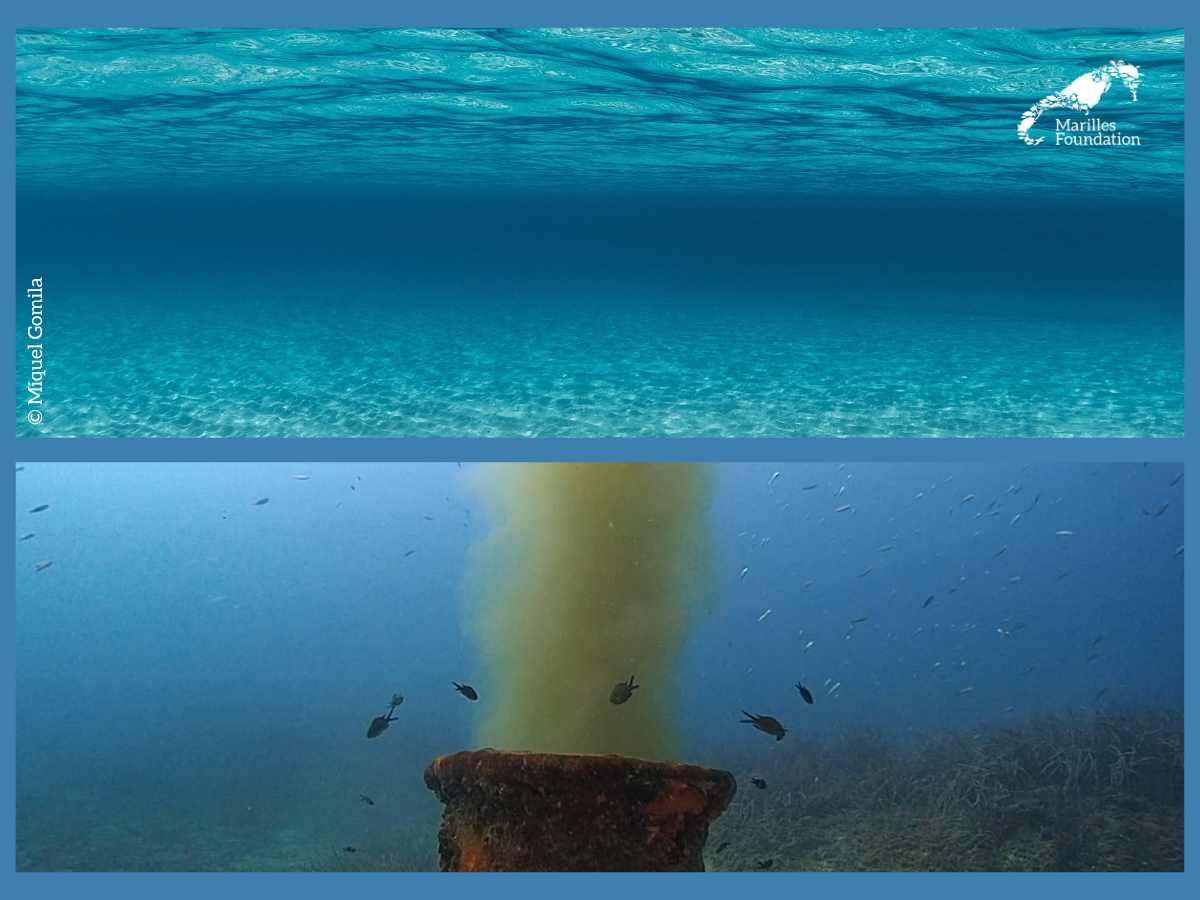
A consensus document produced following the 2025 Biodiversity Conference identifies the priority actions needed to improve water management and reduce impacts on the marine ecosystems of the Balearic Islands.
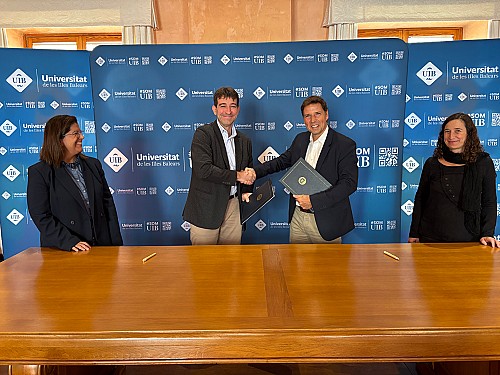
Marilles Foundation has submitted the conclusions on water management and water quality drawn from the 2nd Marine Biodiversity Conference held in 2025 to the government of the Balearic Islands. At this annual conference, the scientific community comes together to share knowledge about the Balearic Sea. One of the topics addressed in 2025 was water quality. Experts identified a set of priority measures to improve water governance, strengthen pollution control, and ensure the good health of coastal and nearshore waters. The conclusions highlight that water quality requires coordinated action across public authorities, better planning, and more robust scientific monitoring.
Among the key priorities is the approval of a Balearic Water Act that adapts water management to the islands’ specific circumstances, better defines the responsibilities of different public authorities, and strengthens transparency and public participation. The experts also propose simplifying and improving the effectiveness of the Balearic Islands Hydrological Plan and enhancing coordination between the Water Resources, Health, and Environment departments.
The document stresses the need to strengthen knowledge of marine water quality. It calls for harmonising data and sampling protocols; establishing continuous monitoring systems in the most sensitive areas; increasing monitoring of ports, bays, and other priority areas; and defining common indicators to enable rigorous assessment of water quality.
Another conclusion is the need to strengthen enforcement and compliance with existing regulations. The experts propose introducing a more effective sanctions regime for polluting discharges, considering the creation of a dedicated water police unit, and updating control mechanisms for discharge points. They advocate promoting the reuse of treated wastewater to reduce discharges into the marine environment and improving wastewater infrastructure, particularly the separation of stormwater and wastewater systems and the renewal of sewerage networks.
The document also calls for greater involvement of municipalities, the third sector, and the tourism and port sectors in water management. Recommendations include creating permanent forums for public participation, improving the flow of information between public authorities and society, providing technical support to local councils, and strengthening public awareness initiatives so that citizens better understand water quality issues and their solutions.
Aniol Esteban, Director of Marilles Foundation: ‘The Balearic Islands have the technical and scientific knowledge needed to move towards more efficient and integrated water management. The challenge now is to turn these recommendations into public policies that reduce pollution, strengthen the resilience of marine ecosystems, and safeguard the quality of a resource that is essential both for biodiversity and for the wellbeing of Balearic society.’
You can read the full document here.
The 3rd Marine Biodiversity Conference will take place in the autumn and will cover the following topics:
22 October: Marine ecological restoration: science and management
29 October: Invasive species: challenges and possible solutions
5 November: Fisheries: sustainable practices and success stories