Shark and ray experts propose protecting areas of particular importance to these species
Published 26.05.2026
Share
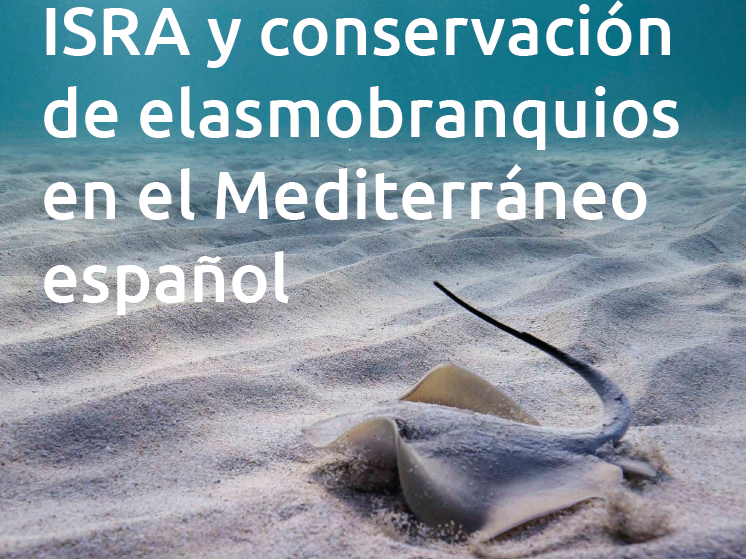
A scientific and technical report resulting from a consensus among 22 specialists recommends conservation measures for elasmobranchs in the Spanish Mediterranean.
Important Shark and Ray Areas (ISRAs) should be included in the conservation policies of Spanish authorities. This is one of the conclusions of From Science to Management: ISRA and the Conservation of Elasmobranchs in the Spanish Mediterranean. The report sets out 7 cross-cutting proposals and 14 measures, including providing high levels of protection for critical areas for these species, strengthening inter-administrative coordination, and establishing stable funding mechanisms for research, monitoring, and surveillance of these areas.
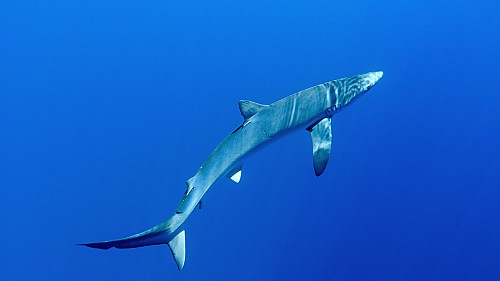
ISRAs, a concept developed by the IUCN (International Union for Conservation of Nature), are areas where sharks and rays breed, congregate, or feed. They play a key role in their conservation. In 2023, 14 ISRAs were identified in the Spanish Mediterranean, demonstrating its importance for the preservation of these species. While sharks and rays are essential for ensuring the ecological balance of the ocean, nearly 50% of the 80 species in the Mediterranean are threatened.
An ISRA designation does not imply legal protection, but it does provide relevant information to identify potential candidate areas for protection. It is in this context that the report presents an opportunity for central and regional authorities to make progress in the conservation of sharks and rays.
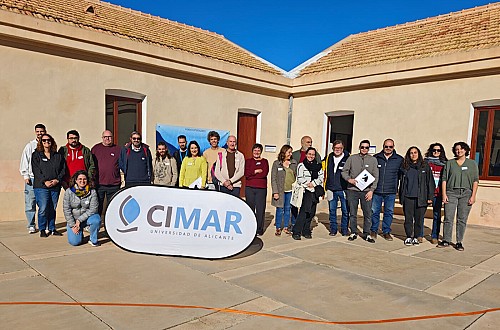
The report is the result of a scientific-technical workshop held in November 2025 at the CIMAR (Santa Pola Marine Research Centre), affiliated with the University of Alicante. Twenty-two specialists from scientific institutions, environmental organisations, and the fishing sector took part. These include the Spanish Institute of Oceanography, the University of Alicante-CIMAR, the University of Murcia, the Oceanogràfic Foundation, the Institute of Marine Sciences, and Marilles Foundation.
The workshop was a collaboration between the SARKO project, coordinated by Marilles Foundation and funded by the Shark Conservation Fund, and the e-lasmobranc and elasmo-2 projects, led by the University of Alicante-CIMAR in collaboration with the Biodiversity Foundation of the Ministry for Ecological Transition and the Demographic Challenge, through the Pleamar Programme. It, and the report, were co-financed by the European Union via the EMFF (European Maritime, Fisheries and Aquaculture Fund).