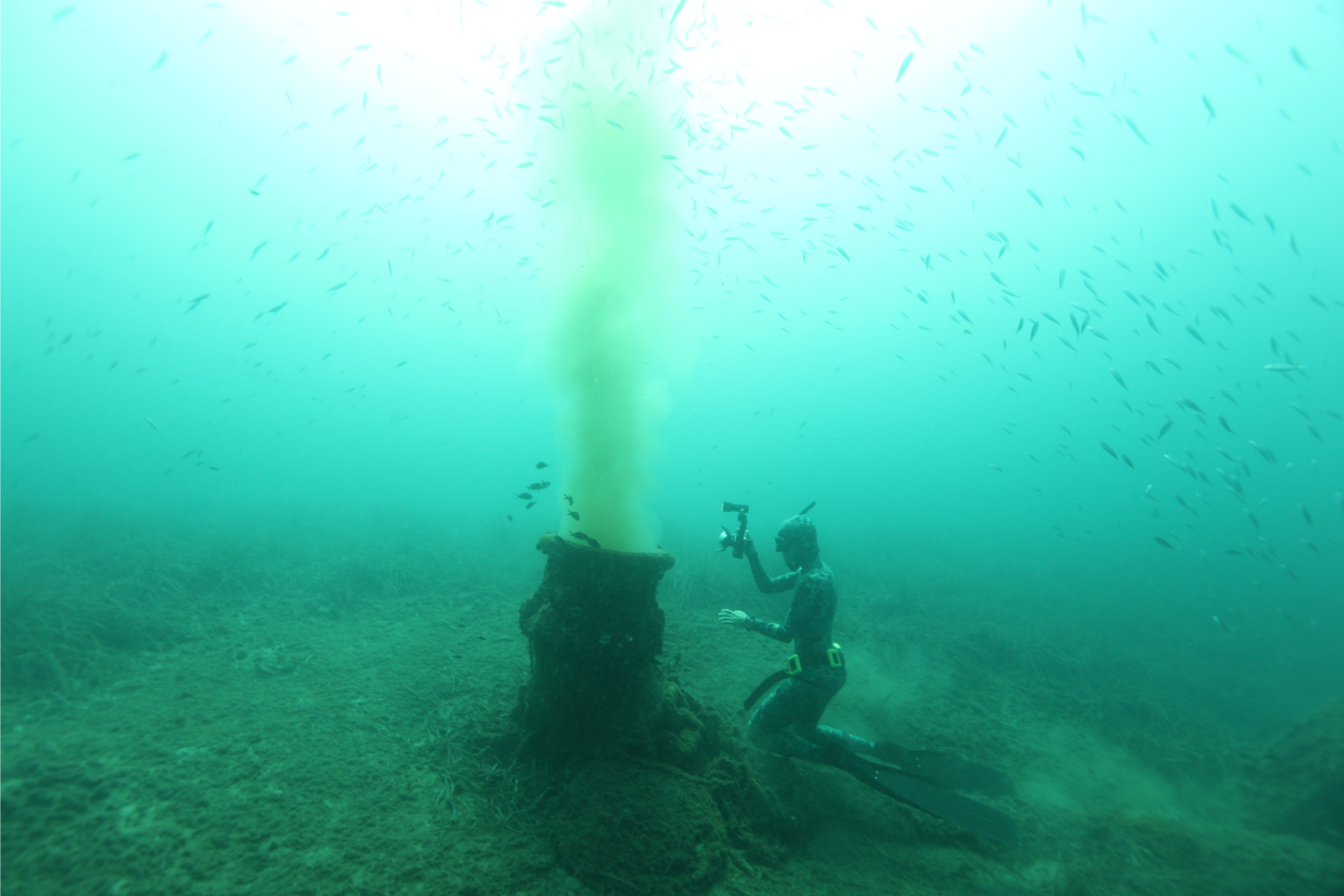
The international press has reported on the latest official data collected by the Balearic Islands government and published in the Balearic Sea Report (IMB). The data shows that the quality of bathing waters on Balearic beaches has deteriorated over the last ten years, and that cases of faecal contamination doubled between 2024 and 2025. The IMB also highlights that seven out of ten beaches in the Balearic Islands have excellent water quality, with the vast majority of the remaining beaches ranking good or very good. However, this aspect has received far less attention in the international press.
Without assessing the quality or sensationalism of certain media outlets, there is an uncomfortable truth here that forces us to look in the mirror. Despite the efforts made during this and previous legislative terms, the problem is still very much with us. It is time to ask local councils, island councils, and governments ‒ both regional and national ‒ whether all the necessary efforts are truly being made to resolve an issue that many stakeholders (tourism, nautical activities, conservationists and fishers) have long been drawing attention to: declining water quality.
The decline in bathing water quality is partly the result of another major challenge: the demographic pressure endured by our islands. If human pressure grows faster than the infrastructure required to guarantee water quality, the conclusion is clear: it will be very difficult to improve the quality of Balearic waters without addressing the challenge of demographic pressure.
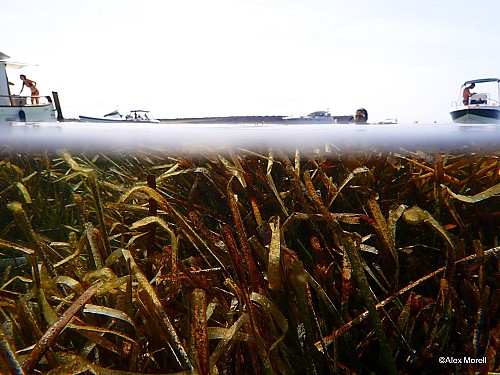
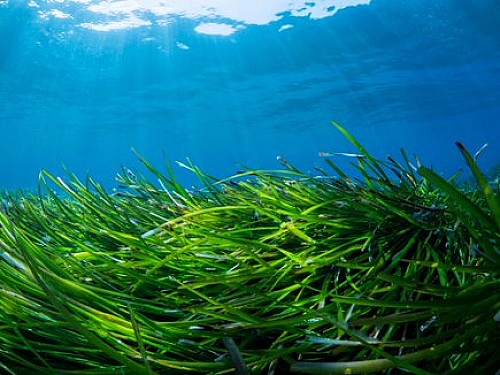
Good water quality is an essential condition for ensuring the economic prosperity of our islands and the well-being of their citizens. From an ecological perspective, it is key to restoring colour and life to our sea by recovering habitats and vulnerable species such as Posidonia seagrass meadows and Cystoseira forests, as well as guaranteeing the quality of our marine resources and the future of part of the fishing fleet.
You will find much more information on the great diversity of species in our sea and the challenges they face in many of the papers presented at the 9th Conference of the Balearic Islands Society of Natural History, held across all the islands between November and January. And speaking of conferences, we will soon publish the conclusions of the working groups from the Marine Biodiversity Conference on effective protection, marine mammals, and water quality.
We conclude with a fisheries-related note. At the beginning of February, Costas Kadis, the EU Commissioner for Fisheries and Oceans will visit the Balearic Islands. This is an opportunity to gain first-hand insight into the reality of a fleet and a fishing model that is a benchmark at the Mediterranean level. The Balearic fleet has shown that reducing fishing effort ‒ despite the headaches this entails ‒ pays off, and that it is possible to fish and earn more while spending fewer days at sea. It is a pity that this is not always recognised by offices in Madrid and Brussels.
Aniol Esteban - Director