Conservation organisations and scientists call on the Secretariat‑General for Fisheries to comply with its environmental obligations in marine protected areas
Published 07.05.2026
Share
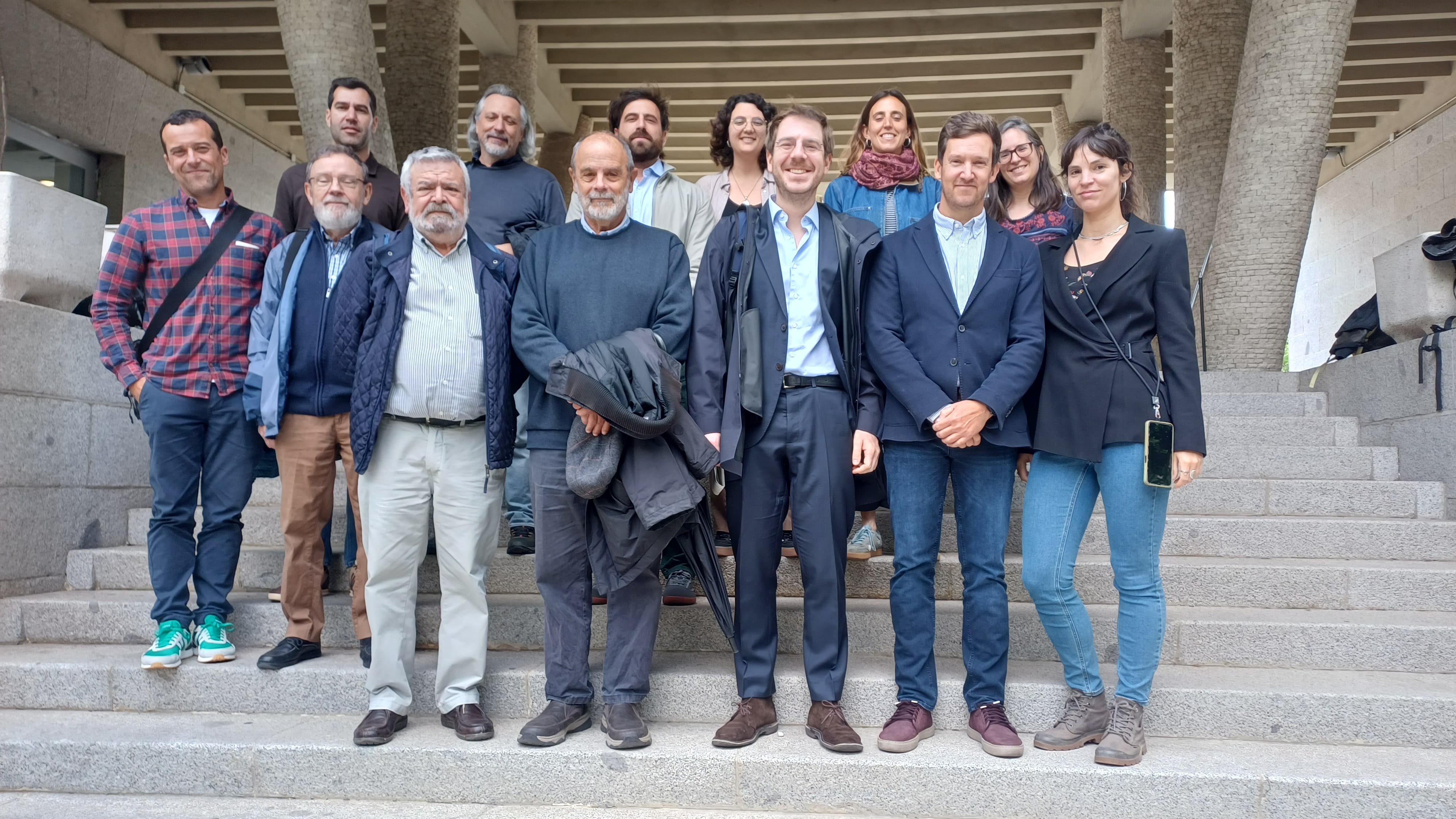
Leading marine conservation organisations and scientists have today called on the Secretariat‑General for Fisheries of the Ministry of Agriculture, Fisheries and Food (MAPA) to take measures to ensure the effective protection of marine protected areas and, in doing so, to benefit the fishing sector. During the meeting, they requested funding and the fisheries management measures necessary for the conservation of marine protected areas, as well as the establishment of pending Fisheries‑Interest Marine Reserves.
The organisations and scientists participating in the meeting requested information on the state of collaboration and coordination between the Secretariat‑General for Fisheries and the Ministry for Ecological Transition and Demographic Challenge, with a view to agreeing fisheries management measures in marine protected areas. The adoption of management plans in many of these areas continues to suffer delays that have already exceeded legal deadlines and are preventing Spain from meeting its environmental commitments. This is the case for the approval of management plans for marine areas within the Natura 2000 network, including work carried out under the Life INTEMARES project, with ten management plans still pending approval before the project concludes next July.
“Marine protected areas are an essential tool both for restoring marine ecosystems and for safeguarding the future of the fishing sector, especially in the context of uncertainty caused by the impacts of the climate crisis. For them to work, effective management plans are needed that include fisheries measures, which must be approved by the Ministry of Agriculture, Fisheries and Food,” stated the participating organisations and scientists.
Marine reserves: delays and funding cuts
Participants acknowledged the success of the Fisheries‑Interest Marine Reserves and stressed the need to consolidate the management of the existing network and to move more swiftly towards the designation of new reserves. In this regard, the organisations advocated for the designation of pending Fisheries‑Interest Marine Reserves, such as Tramuntana (Majorca) and Teno and Anaga (Tenerife).
A major cause for concern is the recent reallocation of resources and adjustments to funding for marine reserve surveillance, which has led to cuts in some reserves, as denounced by 221 researchers in a letter sent to Minister Luis Planas last October. Participants warned that any reduction or inadequate redistribution of resources could undo decades of conservation achievements, jeopardise compliance with environmental legislation, and harm artisanal fishers who depend on healthy, well‑managed marine ecosystems.
“The use of new technologies, such as satellite monitoring and intelligent cameras to prevent illegal fishing, can help improve and complement surveillance efforts, but they must not replace the presence of enforcement officers at sea, which has been key to ensuring the effective protection of our waters and defending responsible fishing,” they added.
Marine restoration to support fisheries
Finally, the organisations and scientists discussed recent developments in marine restoration, with particular attention to the future development of Restoration Zones of Interest for Fisheries. These designations could become a strategic tool to restore degraded habitats, strengthen the resilience of marine ecosystems, and contribute to the long‑term sustainability of fishing activities. Such action is especially relevant in the context of the National Restoration Plan that the government must submit to the European Commission by September at the latest.
During the meeting, participants emphasised that marine conservation and sustainable fisheries are not opposing goals, but rather two inseparable elements of a single strategy to secure the future of the sea and the communities that depend on it. They also reiterated their willingness to work with the authorities to promote solutions based on the best available scientific evidence and to move towards a fishing sector that is sustainable, resilient, and competitive.
List of participating organisations and individuals: Angel Shark Project, ClientEarth, Ecologistas en Acción, Fundación Marilles, Greenpeace, Oceana, WWF, Ángel Antonio Luque del Villar (Centre for Research on Biodiversity and Global Change, Autonomous University of Madrid (CIBC-UAM), Diego Kersting Vera (Institute of Aquaculture of Torre de la Sal (IATS-CSIC), José Templado González (National Museum of Natural Sciences (MNCN-CSIC), Alfonso A. Ramos Esplá (University of Alicante).
Marilles in the media
- 12/08/2025 Ràdio Illa: "Marilles, sobre l’ampliació de la Reserva des Freus: “Si volem mantenir el peix local, s’han d’emprar aquestes eines”"
- 24/06/2025 Ara Balears: "Pesca confirma la legalitat d'una xarxa dins la reserva del Toro després que un vídeo incendiï les xarxes"
- 14/12/2024 Diario de Mallorca: "Pescadores de Baleares contra el acuerdo de la UE: "No podemos gastar 70.000 euros en puertas voladoras""