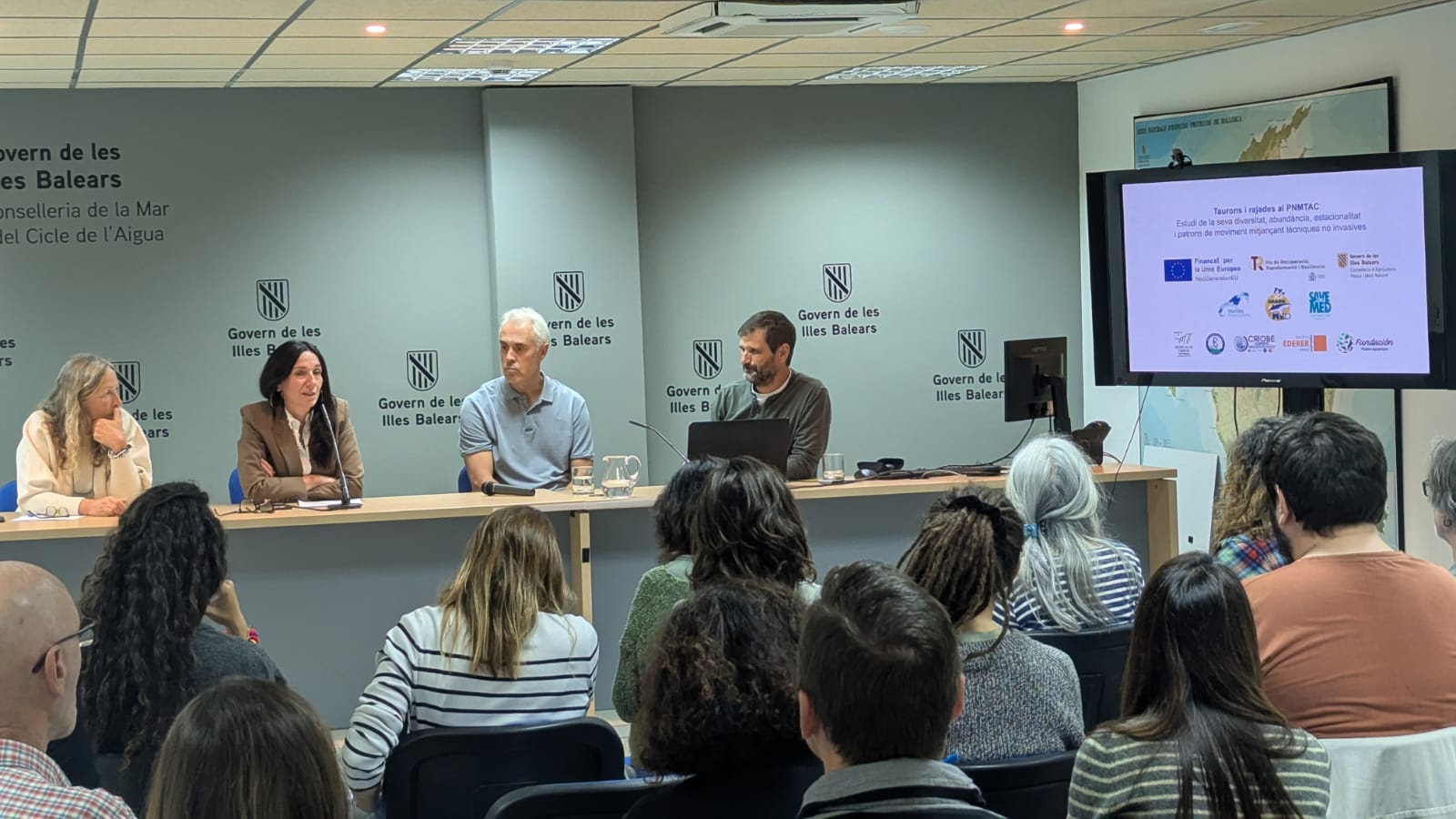
The government of the Balearic Islands, Sharkmed, and Save the Med have presented the results of the study Sharks and rays in Cabrera National Park: study of their diversity, abundance, seasonality and movement patterns using non-invasive techniques. This project constitutes the most comprehensive research carried out to date on these species in the waters of the Balearic Islands and has the collaboration of Marilles Foundation.
The two-year study concludes that it is necessary to strengthen the protection of sharks and rays in the Balearic Sea. According to marine biologist Gabriel Morey, scientific director of Save the Med, ‘the data obtained reinforces the need to intensify protection measures to ensure the conservation of these species and improve the overall health of the marine ecosystem.’
A pioneering study using non-invasive techniques
The project used innovative and environmentally friendly methodologies, such as bait-based remote underwater video (BRUV), environmental DNA (eDNA) extraction, and satellite tracking of manta rays.
‘This method of data collection is new in our waters and allows us to obtain accurate and valuable information without interfering with the natural behaviour of the animals’, said Dr Eric Clua, scientific director of Shark Med.
The project's technicians analysed nearly 3,500 hours of recordings, made both day and night, which allowed them to observe 12 species of rays and 5 species of sharks. Images of live shortfin mako sharks, a deep-water species that can reach up to 5 metres in length, were documented for the first time in the Balearic Islands.
In addition, tracking three manta rays with satellite tags made it possible to identify migratory routes and movement patterns, providing key information on the connectivity of populations in the Mediterranean.
Key results and findingsThe study reveals a low presence of large pelagic sharks. Most of the specimens recorded were blue sharks (17 in a whole year). Other open-sea species, such as the shortfin mako (Isurus oxyrinchus), were observed on a very occasional basis.
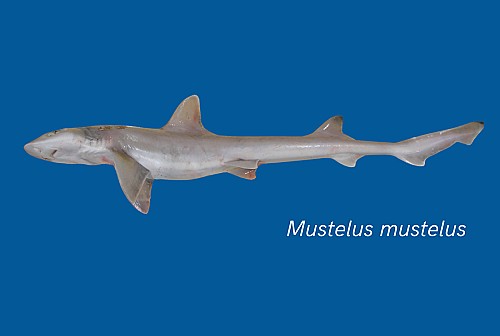
Within the park, the most common species were the small-spotted catshark, the thornback ray, the smoothhound, and the eagle ray, which account for 80% of the elasmobranchs recorded. Species such as the spiny dogfish and the spiny dogfish were very scarce or absent.
Among the most relevant findings was the high presence of the whip ray (25 specimens) and the first images in the Balearic Islands of the white ray, a species in danger of extinction in the Mediterranean.
In a second phase, the plan is to expand the time series of data and explore new sampling areas to describe the shark and ray community of the Balearic Islands in greater detail.
Link to the videos: https://bit.ly/EstudiTaurons
Marilles in the media
- 20/05/2026 Mallorca Zeitung: ""Können nicht abwarten, bis der nächste Hai mit Axtwunden auftaucht": Tierschützer schreiben offenen Brief an Fischer auf Mallorca"
- 16/02/2026 The islander: "Cabrera’s Sharks and Rays: uncovering knowledge to improve the health of the Balearic Sea"
- 26/01/2026 Med-22: "SARKO à la rescousse des requins et des raies"