We are getting to the end of the year after a very busy autumn with lots of activity, hopeful news, and worrying announcements.
The Balearic Sea Report (IMB) turned five and is now a key source of the best information available on our sea and a mainstay for making progress on its conservation. Our thanks to the hundreds of people from research centres, the administration, and the third sector who make it possible.
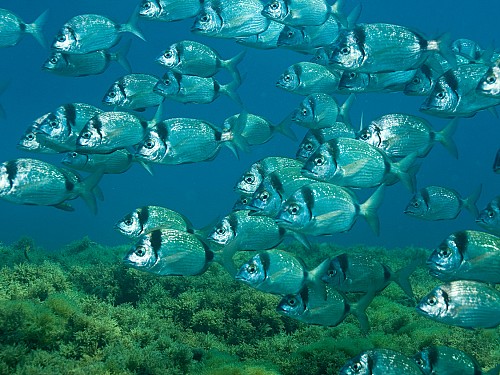
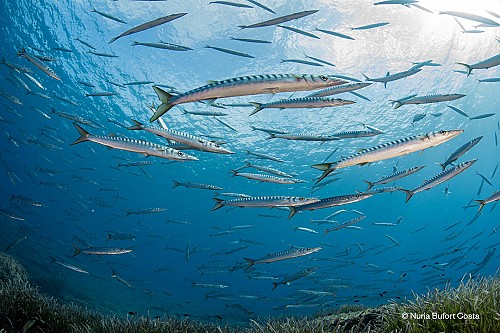
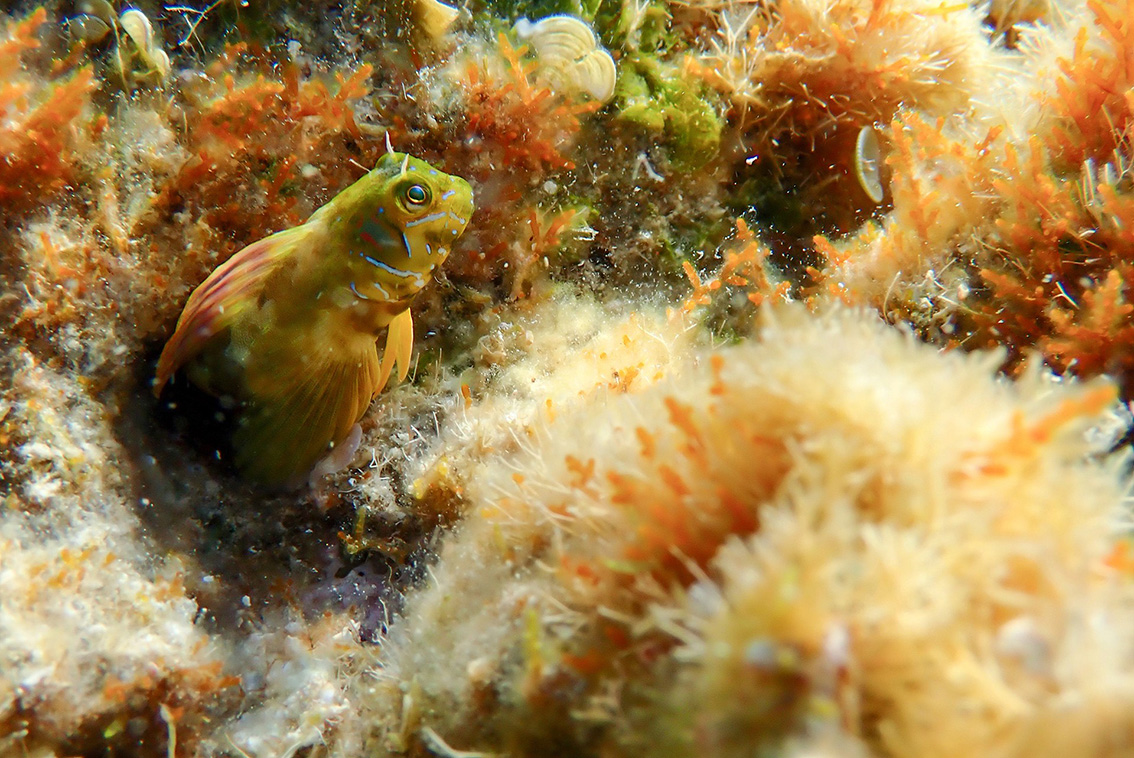
Almost simultaneously, we have seen the winning photographs of MARE25, which received more than 1,300 entries. All of them remind us of the beauty that lies beneath our waters and the importance of conserving it.
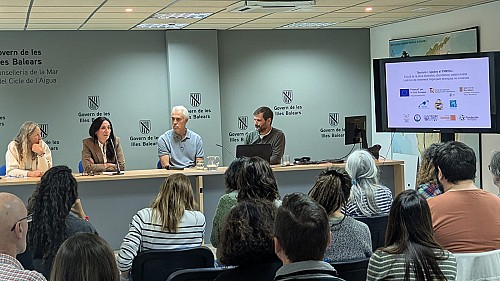
The Marine Biodiversity Conservation Conference held in October was once again a success in terms of participation. We focused on improving protection in the Balearic Sea, the mammals that inhabit it, and the quality of its water. You can view the presentations online, and we will soon be sharing the summary documents with proposals and recommendations that we will forward to the Balearic and central governments in the hope that they will be translated into action.
The conference given by Enric Sala (Pristine Seas) at the Rivoli Cinema in early November, organised with Club Última Hora and featuring Kristin Rechberger from Revive our Ocean, left us with a message that was as powerful as it was simple: no-take zones (where fishing is not allowed) are the most cost-effective way to restore our seas. We will continue to work to make it possible for more to be approved and better managed.
As for encouraging announcements, there are two worth highlighting. The first is that the Balearic Islands government has announced that it is about to present a marine conservation plan with commitments to integral reserves, reinforced surveillance, new fisheries management plans, and concrete measures for the conservation of vulnerable species and habitats. It sounds good, but until this plan is made public, we will not know whether it is accompanied by budgetary and timetable commitments.
The second – which is perhaps related to the first – is that it has also presented a proposal to expand the Cabrera National Park integral reserve by 56 km². If this goes ahead, it would be the largest integral reserve in the western Mediterranean. It is an important step, but before we get too excited, we must ask ourselves whether the proposed area includes the most valuable and ecologically significant habitats. The question is not only one of quantity, but also of quality.
Unfortunately, the hope and optimism of the two announcements have been overshadowed by worrying messages from Ibiza, where both the Ibiza regional government and some recreational fishing representatives are calling for the removal of protection for marine reserves. The marine reserves in Ibiza have room for improvement, yes, but they are producing good results that benefit professional and recreational fishers, diving centres, and the image of Ibiza and Formentera in general. Science shows that in reserves where recreational fishing is allowed, fish recovery is slower or nonexistent.
We cannot manage marine conservation à la carte. We must be consistent. Do we want to lose in a short time everything that has been achieved in 25 years of effort?
Aniol Esteban - Director